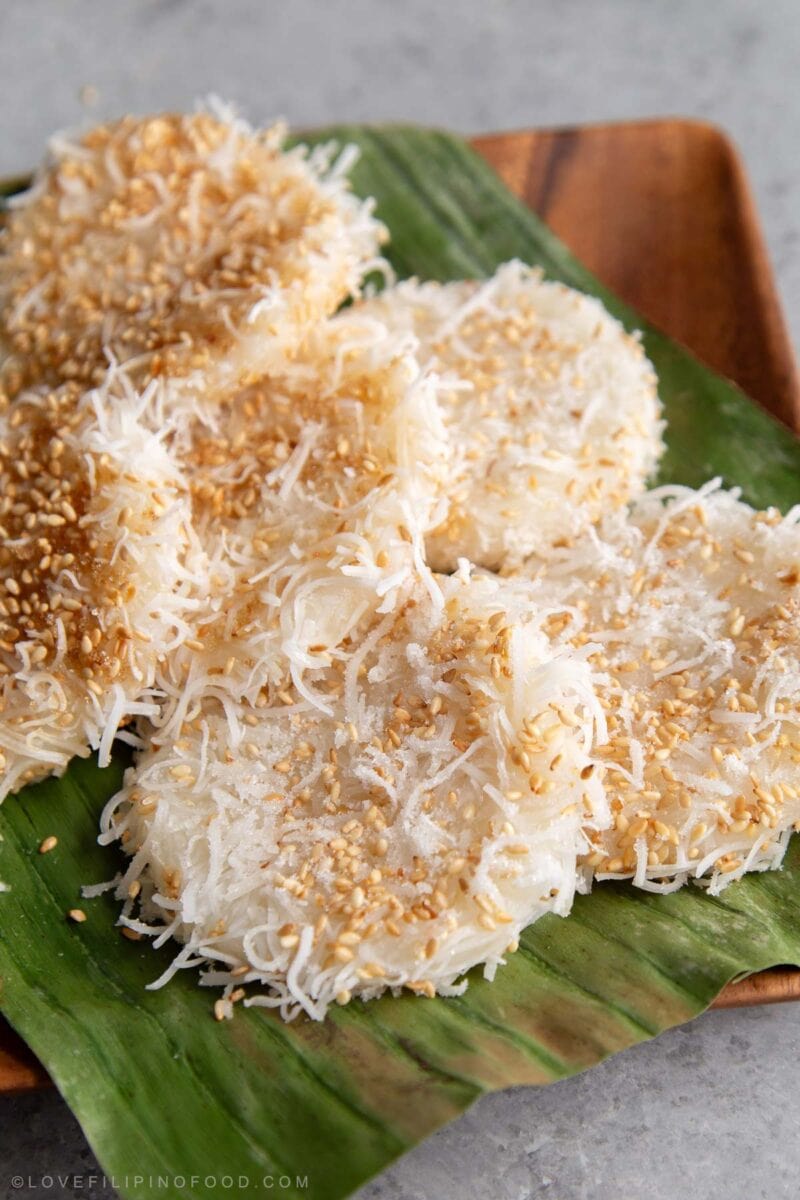
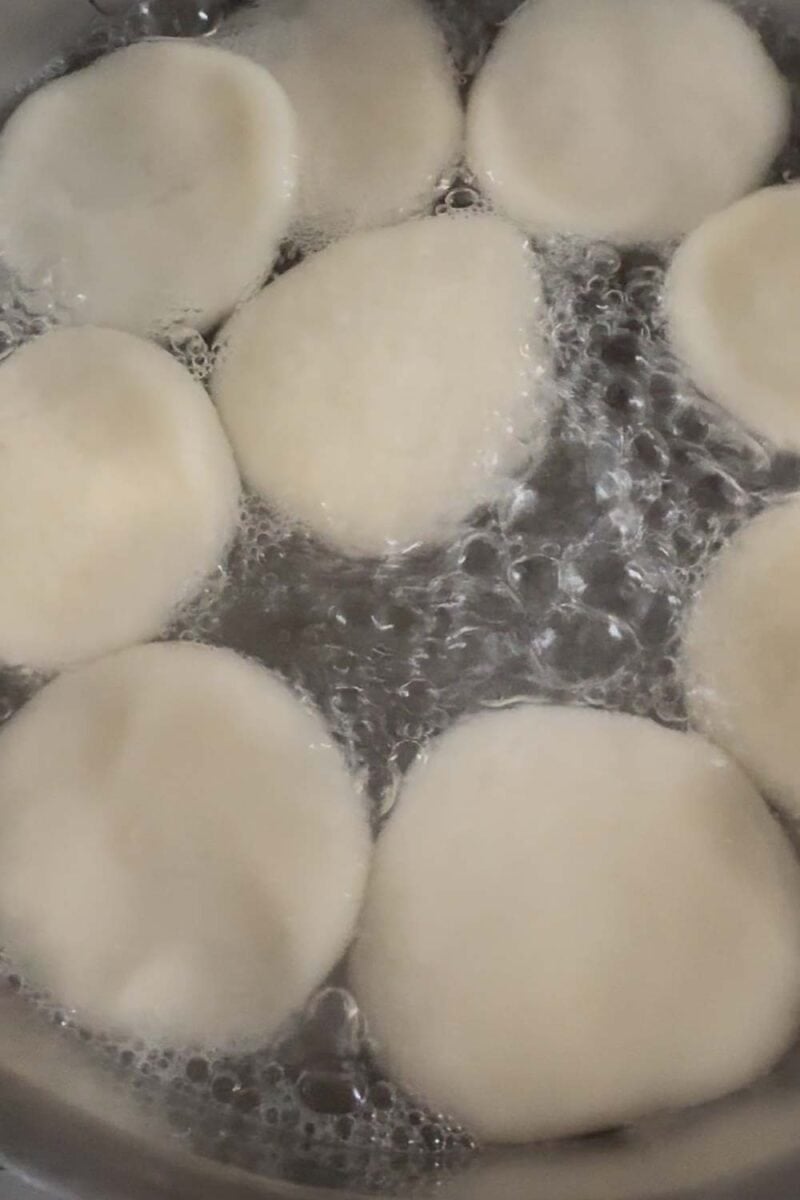
Palitaw is one of those Filipino snacks that is as fun to make as it is to eat! Its name pretty much describes what it is: litaw means “to float” or “to surface” in Tagalog. The little rice cakes are done cooking when they float to the surface of the boiling water.
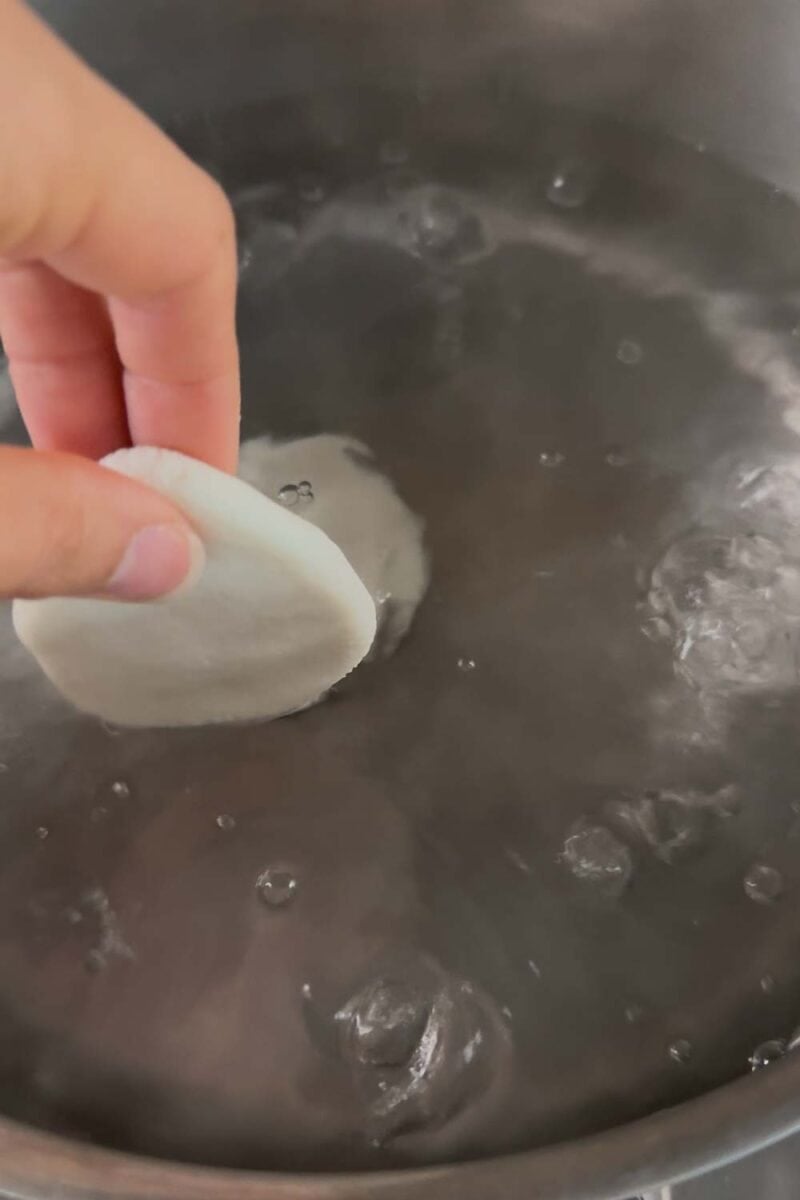
Simply drop the shaped dough into boiling water. It will sink to the bottom. No thermometer, no time, no guessing. Just watch and wait. When the rice cakes bob up to the surface, they’re ready! The water tells you everything to need to know.
Ingredients
Palitaw is made from glutinous rice flour (yes, the same flour used to make mochi and other chewy Asian treats). You can make the dough with water for a more neutral base, or swap in coconut milk for a bit more richness and flavor.
Ideally, you just need mochiko flour, water, shredded coconut, and sesame seeds. I like to season the dough with a little sugar and salt.
How to Make Palitaw



Palitaw Coating
Traditional palitaw calls for freshly grated coconut meat (niyog). It’s incredibly delicious when you have it. Unfortunately, fresh coconut isn’t something I have on hand regularly and hand grating coconut is hard work. Instead, I reach for unsweetened shredded coconut. It works beautifully, clinging to the warm rice cake and you can buy it at any supermarket.
I prefer unsweetened coconut, but if you have a major sweet tooth, go ahead and use sweetened shredded coconut. After the coconut, toss the palitaw in a mixture of toasted sesame seeds and granulated sugar (or brown sugar).

Serving Suggestions
Palitaw doesn’t hold well. This is the kind of snack meant to be eaten warm, fresh from the pot. That’s why I intentionally make a small batch. This recipe makes just enough for a family of four to finish in one sitting. No leftovers.
For the ultimate classic presentations, serve your palitaw in a banana leaf lined wooden plate. For the best experience, serve warm.
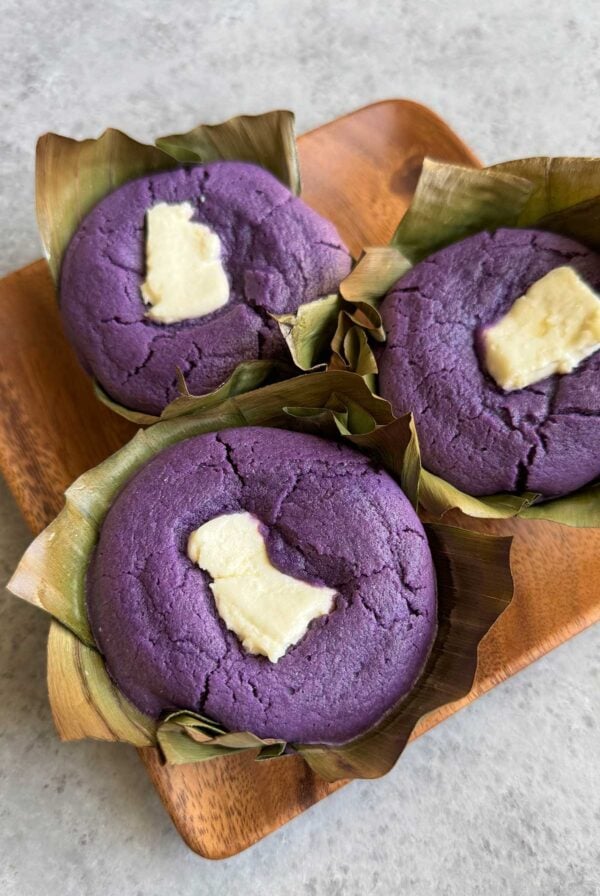
This is a classic meryenda (afternoon snack) throughout the Philippines. There are different variations across the islands- some are filled with yema, some flavored with pandan, some stuffed with ube and cheese.
More Glutinous Rice Recipes
- Biko (sticky rice cakes)
- Ube Butter Mochi
- Chocolate Butter Mochi with Peanut Butter
- Hawaiian Butter Mochi Cake
Palitaw
Ingredients
Dough
- 160 grams glutinous rice flour, 1 cup, aka sweet rice flour or mochiko brand
- 12 grams granulated sugar, 1 Tablespoon
- pinch kosher salt
- 113 grams water, ½ cup, or coconut milk
Coating
- 60 grams unsweetened shredded coconut, 1 cup or more as needed
- 35 grams white sesame seeds, ¼ cup, toasted*, as needed
- 50 grams granulated sugar , ¼ cup, or light brown sugar
Instructions
Dough
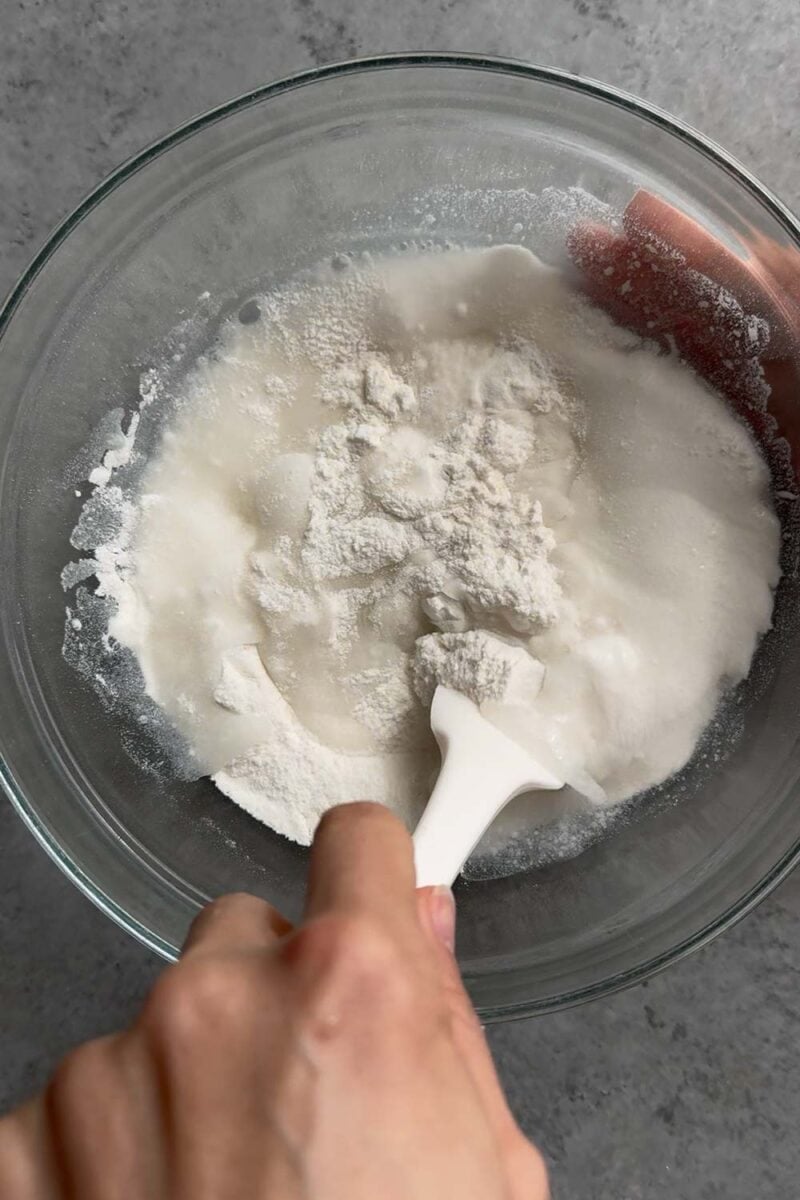
- In a medium bowl, combine glutinous rice flour, sugar, salt, and water. Use a sturdy spatula to mix together to form a smooth, pliable dough.*You may knead the dough together by hand.
- Scoop 1 ½Tbsp portions (or use a #24 scoop). Use your palms to roll each potion in a ball. Then, flatten to a disk about ¼-inch thick. Alternative, you may use a small rolling pin.
- Fill a pot with about 3 inches of water. Bring to a boil over medium-high heat.
- Depending on the size of your pot, gently drop 5-10 rolled out dough rounds into the boiling water. The dough will sink to the bottom of the pot. Gently stir water to ensure dough doesn't stick to the bottom.
- Boil dough for about 3 minutes until the rounds float to the top. Scoop out floating rice cakes with a slotted spoon and place on a wire rack to drain while you cook remaining rounds.
- While still hot, coat rounds in shredded coconut.
Coating
- Gently toast sesame seeds in a dry skillet over medium heat. Spread seeds into a single layer. Stir or shake the pan frequently to evenly distribute heat. This process takes about 3 minutes.
- Sesame seeds are done when they smell nutty and have a light golden color. Immediately remove from the pan and transfer to a bowl or plate to stop the cooking process.
- Once slightly cooled, toss toasted sesame seeds with granulated sugar. Sprinkle mixture over coconut coated rice cakes, or pressed rice cakes into mixture.
Notes
Nutrition
Nutrition information is automatically calculated, so should only be used as an approximation.
 Like this recipe? Rate & comment below!
FAQ
Rice flour is milled from long or medium grain rice. It is great for crispy coatings or noodles that hold their shape.
Sweet rice flour (glutinous rice flour or mochiko) is milled from short-grain glutinous rice. It produces a sticky, stretchy texture when cooked. Despite its name, sweet rice flour does not not contain sugar nor does it have gluten.
Palitaw is best eaten the same day it’s made, ideally within an hour or so after cooking. The texture does harden over time and it doesn’t store well. Also, I personally don’t like it reheated.
Yes, you may use sweetened shredded coconut or sweetened coconut flakes. Be mindful that it will make the resulting palitaw VERY sweet, specially if you also choose to sprinkle sesame seed-sugar mixture on top.
Palitaw comes the word litaw, meaning “to float” or “to surface.” The name refers to how the dough rises to the top of the boiling water once it has cooked through.